

The lights on a car are essential for safe and efficient travel. They help drivers see the road ahead, alert other drivers to your presence, and communicate your intentions while driving. There are several different kinds of lights on a car and each serves a specific purpose.
Headlights are the most important lights on a car as they provide visibility in low light or poor weather conditions. They allow drivers to see the road ahead and spot pedestrians, animals or other obstacles in their path. In addition, headlights help other drivers see your car and when you are coming towards them.

The taillights and brake lights are just as important as headlights, especially at night. Taillights are located on the rear of the vehicle and are always on when the headlights are used. They help drivers that are following you to see your vehicle and your position on the road. Brake lights are brighter than taillights and are activated when you press the brake pedal. They let other drivers know that you are stopping or slowing down.


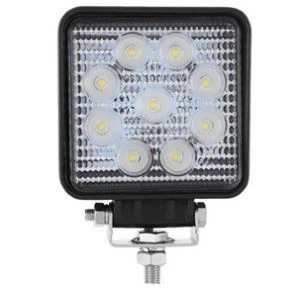
Turn signals are used to indicate to other drivers that you are planning to turn left or right. They are usually amber in color and flash to indicate your intention to turn. Hazard lights are used in emergency situations or when your vehicle is stopped on the side of the road. They are also used to signal other drivers that you are slowing down or stopping ahead.
Fog lights are located at the front of the vehicle and are used in foggy or misty conditions. They are low and wide and help drivers see the road ahead without impairing the vision of other drivers. Finally, the interior lights of the car are used to illuminate the interior of the vehicle. They help passengers find items in the car and make it easier to read maps or directions while traveling.
In conclusion, all of the lights on a car have an important role to play. Whether it's improving visibility, signaling other drivers, or making the interior of the car more accessible, lights are an integral part of safe and efficient driving.