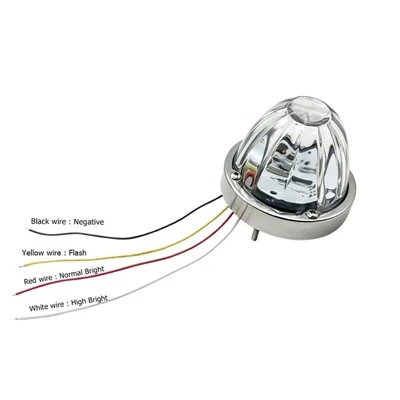

When you’ve spent months designing, hand-blowing, and testing a custom piece of glass watermelon light—one that’s not just a string of bulbs, but a vibrant, eye-catching marker for truckers, party planners, or outdoor event organizers—the last thing you want is for it to crack before it even makes it to its final destination. As a supplier of glass watermelon lights, I’ve seen my fair share of these mishaps: a shipment delayed because a container shifted on a truck, a display fixture that shattered during a summer rainstorm, a customer’s new Peterbilt watermelon light that took a hard hit while being unloaded. Each break isn’t just a setback for the buyer; it’s a win for no one, and it’s why I’ve spent years refining our packing, handling, installation, and maintenance practices to keep these iconic lights intact from production to their final spot.
First, let’s start with the basics: why glass watermelon lights break in the first place. Unlike plastic or LED-based alternatives, the thin, hand-crafted glass that gives these lights their signature juicy, translucent glow is delicate—it can’t handle sudden temperature swings, rough impacts, or poor support. I once watched a new hire pack a batch of glass watermelon lights with only a single layer of bubble wrap, and by the time they reached our West Coast customer, three had spiderwebbed cracks along their curved sides. That mistake taught me that every step of the process, from the moment a light is pulled from the cooling rack to when it’s hung, needs guardrails.
Let’s talk about packing for shipping, because that’s where most of the early breakages happen. A lot of suppliers cut corners here, but for glass pieces with unique shapes—think the rounded top of a watermelon, the slight indent for the bulb housing—one-size-fits-all boxes just don’t work. At our facility, we use custom-cut, recycled foam inserts that are molded exactly to the size of each glass watermelon light, so every curve is snug and there’s no shifting during transit. I also recommend wrapping each light in two layers of food-grade bubble wrap first—food-grade is thicker and less likely to tear than standard wrap—then sliding it into a poly bag to keep dust out before it goes into the foam insert. For bulk orders, like a set of Peterbilt watermelon lights for a fleet, we stack the inserts in a reinforced corrugated crate with a layer of crumpled kraft paper between each insert to add an extra cushion. One customer told us that before they switched to our packing, they lost 8% of their order to breakage; since we adjusted, that number’s dropped to less than 1%. It’s a small change that makes a huge difference.
Next, handling during unloading and installation. I’ve seen truck drivers toss a box of watermelon lights into the bed of their truck, or event planners set a box on a concrete floor without a second thought, and that’s a fast track to broken glass. The key here is treating each light like the fragile art it is—no rough moves, no stacking heavy items on top of boxes. If you’re unloading a large shipment, designate a flat, soft surface (like a pallet covered in a moving blanket) to set boxes down, and never drag a box across pavement. When it’s time to remove the light from its packaging, use two hands: one to support the curved bottom of the glass, and one to hold the top ring where the wire attaches. The top of the glass is thinner than the base, so putting pressure on that area is a common cause of cracks. For those installing lights on large vehicles, like Peterbilt trucks, I always recommend having two people: one to stabilize the light while the other secures the mounting bracket, so there’s no pulling or twisting the glass. I once got a panicked call from a customer who’d installed his new Led Glass Watermelon Light on his truck alone, and when he tightened the mounting screw, he over-twisted it and cracked the side of the glass. We sent him a replacement, but that incident drove home how easy it is to slip up during installation.
Temperature is another big culprit, especially if you’re using glass watermelon lights outdoors. Glass expands and contracts with temperature changes—so if you bring a cold light from a cool storage space out into 90-degree heat, or hang a light in a spot where it’s exposed to direct sunlight during the day and freezing temperatures at night, the glass can crack. To prevent this, when you first unbox a light that’s been stored in a cold place, let it sit in the ambient temperature of its final location for at least an hour before turning it on or securing it. That gives the glass time to adjust without sudden stress. For outdoor use, look for lights rated for extreme temperatures—we build all our glass watermelon lights to withstand temps from -20°F to 120°F, but even so, I advise customers in areas with rapid temperature swings (like the Midwest, where you can go from 50°F at dawn to 90°F at noon) to use a light cover during the hottest part of the day. The cover acts as a buffer, slowing down temperature changes so the glass doesn’t have to work so hard. Also, never turn a cold glass light on immediately after installing it— the heat from the bulb will warm the glass too quickly, leading to thermal shock. Wait that hour, and you’ll avoid a lot of unnecessary breaks.
If you’re using LED-based glass lights, like Led Watermelon Lights or Watermelon Led Lights, you might think the LED bulb eliminates risk, but that’s not true. While LEDs run cooler than incandescent bulbs, they still generate some heat, and poor bulb placement can make the glass heat unevenly, leading to cracks. Make sure the bulb you’re using is the right wattage for the light: a 10-watt LED is perfect for small tabletop lights, but a 20-watt bulb in a large outdoor light can overheat the glass’s top edge. We specify the exact bulb wattage for every light we sell, and we include a note to never use higher wattage than recommended. Also, check the bulb’s fit: if it’s too big, it might press against the inside of the glass, creating pressure points that can crack over time. We design all our bulbs to fit snugly without touching the glass, so if you’re buying lights from another supplier, double-check that to avoid issues.
Maintenance is often overlooked, but it’s key to keeping glass watermelon lights intact long-term. Every three months, take a few minutes to inspect your light: gently wipe the glass with a soft, lint-free cloth (no paper towels, which can scratch) and check for any small chips or cracks. If you notice a tiny chip, don’t ignore it—over time, moisture or temperature changes will make that chip grow. I’ve had customers tell me they waited six months to fix a small chip, and by then the entire light had shattered. If your light is on a truck or in a high-traffic area, check the mounting hardware every month: make sure the screws or brackets aren’t loose, because a wobbly light can bump against the truck’s cab or a wall, causing chips and cracks. For lights stored for the off-season, wrap them in bubble wrap and store them in a climate-controlled space, not a garage or attic where temperatures swing wildly.
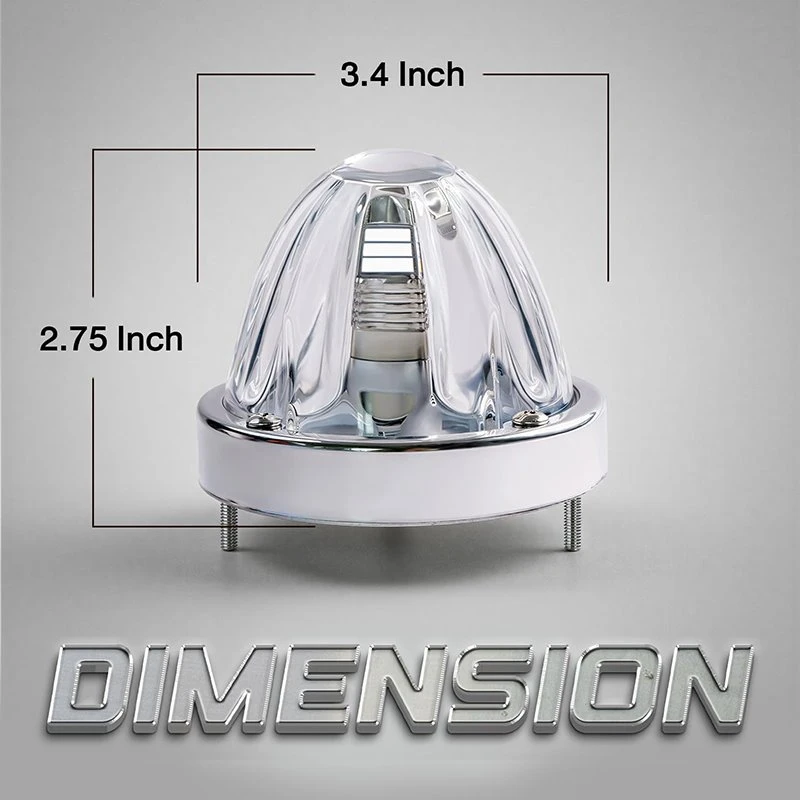

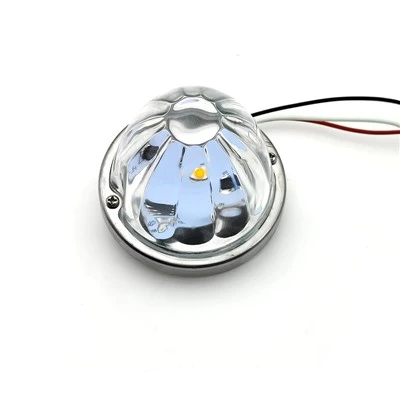
Now, I know some of you might be wondering: “Are glass lights really worth the extra care?” I’d argue yes, because there’s nothing else that gives that warm, nostalgic glow that glass watermelon lights do. Plastic alternatives just don’t have the same depth—they look flat, while glass catches the light and makes that watermelon shape look juicy and real. Whether you’re a trucker looking to add a classic touch to your Peterbilt, an event planner wanting to make a backyard party pop, or a retailer searching for a unique display piece, a well-crafted glass watermelon light is an investment. At our company, we’ve built our reputation on that quality, and we’re always working to make our lights as durable as possible without losing that hand-made charm. If you’re in the market for a high-quality light that’s built to last, feel free to browse our collection of Led Watermelon Lights, Peterbilt Watermelon Lights, Led Glass Watermelon Lights, Watermelon Glass Lights, and Watermelon Led Lights. If you have questions about preventing breaks, or want to place a bulk order that we can pack and prepare with extra care, don’t hesitate to reach out to our team to discuss your needs.
It’s important to note that while these tips will drastically reduce breakage, no glass is completely indestructible. But by following the packing, handling, installation, temperature, and maintenance steps I’ve outlined, you’ll go a long way toward making sure your glass watermelon lights stay intact for years. I’ve seen lights that have been on the same truck for 10 years, still glowing bright and crack-free, and that’s the goal—creating a product that’s not just beautiful, but built to last.
References
- National Glass Association. "Thermal Stress in Glass Products: Causes and Prevention." Glass Magazine, vol. 45, no. 2, 2022, pp. 18-22.
- International Association of Lighting Designers. "Fragile Lighting Fixtures: Best Practices for Shipping and Installation." Lighting Design Quarterly, vol. 17, no. 4, 2021, pp. 34-39.
- U.S. Department of Transportation, Federal Motor Carrier Safety Administration. "Guidelines for Mounting Auxiliary Lighting on Commercial Vehicles." FMCSA Technical Bulletin, no. 12-19, 2019, pp. 5-11.
- Packaging Association of America. "Custom Packaging for Fragile, Irregular-Shaped Products." Packaging Technology Review, vol. 33, no. 3, 2020, pp. 26-31.