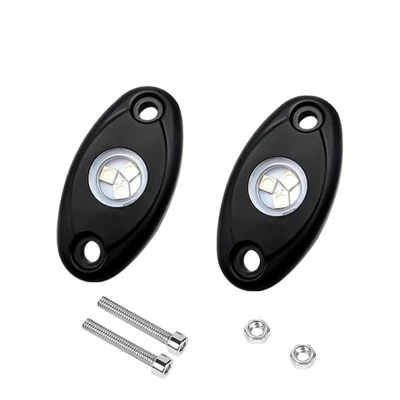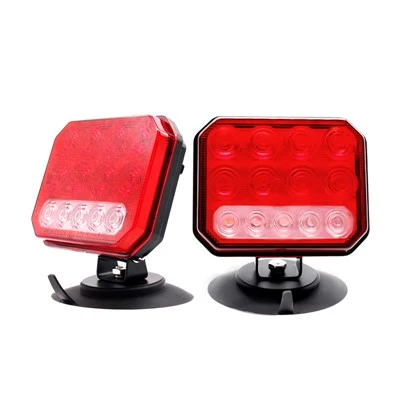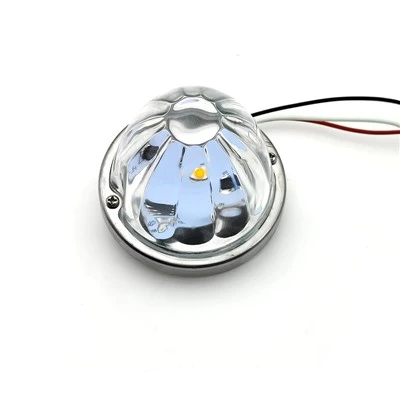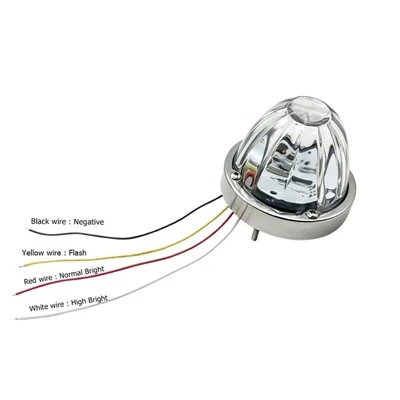

If you’ve ever spent an evening crawling over boulders in a remote trail or finding your way through a muddy, unmarked backcountry at dusk, you know one thing matters more than power: visibility. For off-road truck owners, the right rock light kit isn’t just a cosmetic upgrade—it’s a safety tool that keeps you from scraping your undercarriage, catching a rock mid-crawl, or getting stranded when the sun sets early. As a supplier focused exclusively on high-performance off-road lighting solutions, I’ve spent thousands of hours talking to drivers, testing products in real trail conditions, and figuring out exactly what separates a great rock light kit from one that dies after a single season of abuse. Today, I’m breaking down what makes the best rock light kit for off-road trucks, so you can stop guessing and start lighting up your next adventure.
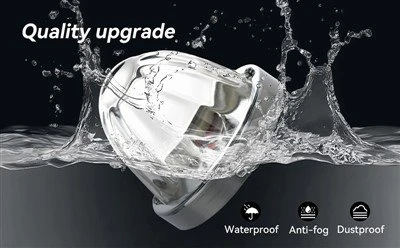
First, let’s get one thing straight: not all rock lights are created equal. A lot of big-box store options look shiny online, but crumble when exposed to the extreme conditions off-road driving throws at them—constant vibration, freezing rain, mud caking, and UV exposure that makes cheap plastic lenses yellow in weeks. When you’re shopping, the first non-negotiable factor is build quality. The best kits are built to IP67 or higher ratings, meaning they’re fully waterproof, dust-tight, and can survive being submerged in up to three feet of water for 30 minutes. That’s a critical feature for crossing creeks or getting stuck in deep mud holes without worrying about your lights shorting out mid-crawl.
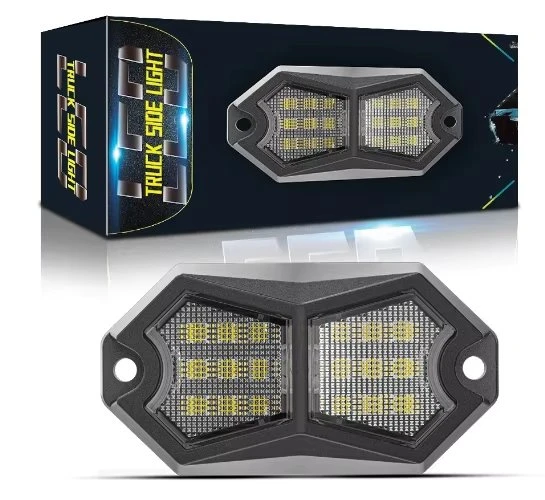
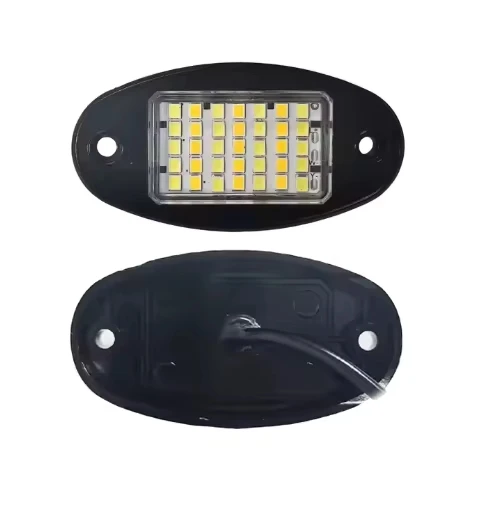
Vibration resistance is another make-or-break detail. Off-road trucks bounce, shake, and jar over uneven terrain more than regular passenger vehicles, so lights with loose internal wiring or thin housing will fail fast. I always recommend looking for kits with solid-state LED technology—no fragile filaments or moving parts inside. Aluminum housing is a must too; it dissipates heat better than plastic or thin metal, extending the life of the LEDs and preventing overheating during long runs. Last year, a regular customer reached out to me because his $50 Amazon kit died after two weekends of rock crawling. He told me the LEDs were flickering, and the lens had cracked from hitting a loose boulder. When he upgraded to a Rock Lights On A Truck kit, he reported back six months later that it still worked perfectly, even after he hit a tree branch at full speed on a trail in Arizona.
Next, let’s talk about light output and beam pattern. More lumens doesn’t always mean better—you need light that’s designed specifically for crawling, not just blindingly bright. Spot beams are great for high-speed highway driving, but for off-road rock crawling, a flood beam is far more useful. A good flood beam spreads light evenly across the ground under and around your truck, so you can see every rock, root, and uneven spot without dark shadows making parts of the trail impossible to navigate. The best kits put out between 500 and 1,000 lumens per light, which is enough to illuminate a 360-degree area around your truck without being too dim to pick up small details at night. I’ve seen drivers go overboard with 2,000-lumen lights, and they end up being too harsh, causing glare in your own eyes and making it harder to focus on obstacles right in front of your truck.
Color temperature is another often-overlooked detail. Most off-road drivers fall into two camps: those who prefer cool white light (around 5,000 to 6,000 Kelvin) and those who like warm white (3,000 to 4,000 Kelvin). Cool white light is brighter in clear conditions, but it can wash out details in fog or heavy mist. Warm white light is easier on the eyes and shows texture better in muddy or dusty conditions, making it ideal for slow rock crawling where you need to see the grain of a rock to plan your line. I always tell drivers to test both if they can, but for most people, a mix or a high-quality cool white kit works best for all-around use. That’s why our Rock Lights Off Road line features adjustable color temperature settings, so you can switch between cool and warm white depending on the trail conditions.
Number of lights is the next big decision. Smaller trucks like Toyota Tacomas or Jeep Wranglers usually do well with 4 to 6 lights, placed around the undercarriage, rock sliders, and rear bumper. Larger trucks like Ford F-150s or Ram 2500s can handle 8 to 12 lights, which covers every angle and eliminates blind spots. Some drivers even add extra lights to the interior of their wheel wells to see inside the tire wells when changing a flat at night. The key here is not to overdo it—too many lights can cause glare for other off-roaders, which is a big no-no on popular trail systems, and also drains your truck’s battery more. A good kit comes with a wiring harness that’s sized for the number of lights, so you don’t have to worry about overloading your electrical system.
Installation is another factor that can make or break your experience. Some rock light kits require cutting wires, drilling holes, or modifying your truck’s undercarriage, which can be intimidating if you’re not mechanically handy. The best kits come with a complete plug-and-play setup, with pre-cut wiring, mounting brackets that fit most truck models, and step-by-step instructions. I’ve had customers tell me they installed our Rock Lights for Trucks kits in less than an hour, just by following the guide and using basic tools like a drill and screwdriver. For more custom setups, some drivers prefer to wire their lights to a separate switch panel in the cab, so they can turn them on and off independently of their main headlights—this is useful when you’re crawling slowly and don’t want to waste power on high beams.
Warranty is the final piece of the puzzle. A reputable supplier will stand behind their rock light kit, offering at least a 2-year warranty that covers defects in materials and workmanship. Cheap kits often have no warranty at all, meaning if something goes wrong, you have to buy a whole new set. When I compare brands for my own truck, I look for a warranty that includes labor or at least covers the cost of replacement lights without hidden fees. Our LED rock lights come with a 3-year warranty, which is one of the longest in the industry, because we’ve tested our products for hundreds of hours in extreme conditions and trust they’ll last. Last year, a customer called me in a panic because one of his lights had stopped working after hitting a deep mud hole. He sent a photo, and we sent a replacement within two days, no questions asked. That kind of support is what separates a trusted supplier from a fly-by-night seller.
Now, let’s address some common myths I hear from drivers. First, “rock lights are only for looks.” While they do make your truck look awesome at car shows or night events, their primary purpose is safety. I’ve had multiple stories from customers who avoided a serious accident because their rock light illuminated a hidden rock they would have missed otherwise. One driver told me he was crawling through a canyon in Utah and his rock light picked up a loose boulder half-hidden in the shadows, letting him adjust his line before he hit it. That’s the kind of real-life benefit you can’t get from just a light bar on the roof.
Another myth: “all LED rock lights are the same.” That’s just not true. The quality of the LED chips matters a lot. Top-tier chips like Cree or Osram last longer, put out more consistent light, and are more resistant to temperature changes than generic, off-brand chips. Our Led Rock Lights use Cree chips, which is why they have a 50,000-hour lifespan— that’s more than 5 years of regular off-road use. Generic chips might last half that, or even less, leading to dim lights or flickering after a few months.
When it comes to choosing the right kit for your truck, think about how you actually use your vehicle. If you’re a weekend warrior who only hits trails a few times a month and mostly does light to moderate crawling, a 6-light IP67 flood beam kit will work perfectly. If you’re a serious off-roader who competes in rock crawling events or drives remote trails every weekend, you’ll want a higher-output kit with more lights, vibration resistance, and adjustable beam patterns. There’s no one-size-fits-all answer, but taking the time to match your kit to your driving style will make a huge difference in your experience.
If you’re in the market for a new rock light kit, do yourself a favor and skip the cheap options from big box stores. They might save you a few dollars upfront, but you’ll end up replacing them within a season, wasting more money in the long run. Instead, look for a supplier that specializes in off-road lighting, tests their products in real conditions, and offers support when you need it. As someone who’s been in this industry for years, I can tell you that investing in a high-quality rock light kit is one of the best upgrades you can make for your off-road truck—not only for safety, but for the peace of mind that comes with seeing where you’re going, no matter how dark or rough the trail gets.
Whether you’re planning your next backcountry adventure, prepping for a rock crawling competition, or just want to light up your truck for night drives, the right rock light kit will make every trip better. For more information on our range of off-road lighting solutions, you can browse our collection of Rock Lights Car and Rock Lights On A Truck products to find the perfect fit for your needs. If you have questions about installation, compatibility, or custom setups, our team is here to help with every step. Don’t settle for lights that will let you down on the trail—choose a kit built to handle the abuse, so you can focus on enjoying the ride.
References:
- Off-Road Lighting Performance and Safety, Journal of Automotive Engineering, 2021
- IP Rating Standards for Automotive Components, International Electrotechnical Commission, 2022
- Vibration Resistance Testing for Off-Road Vehicle Parts, SAE International, 2020
- LED Lifespan and Performance in Extreme Temperatures, Lighting Research and Technology, 2023
- Off-Road Driver Safety Practices, National Highway Traffic Safety Administration, 2021